In today’s fast-paced world, car tracking has evolved into an essential technology for individuals, businesses, and organizations seeking to enhance vehicle security, optimize fleet operations, and improve driving efficiency. As experts in intelligent vehicle solutions, we provide a detailed and comprehensive guide to modern car tracking systems, their benefits, features, and the technology powering them.
What Is Car Tracking?
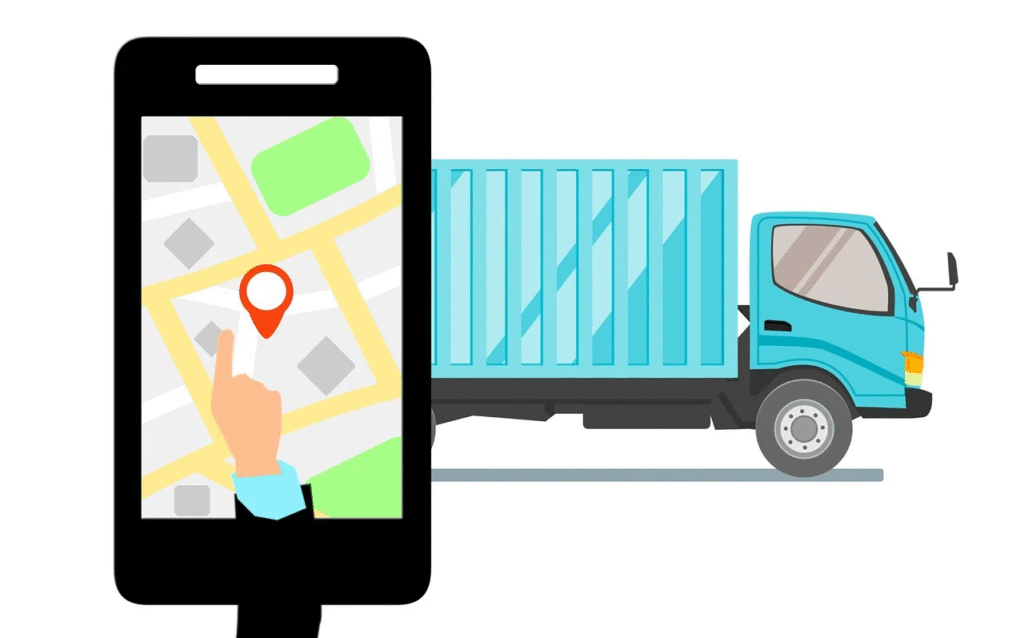
Car tracking refers to the use of GPS (Global Positioning System) technology, telematics, and smart sensors to monitor and relay a vehicle’s real-time location, performance data, and movement history. Through a combination of hardware devices and intelligent software, users can access live updates, route history, driver behavior analytics, and safety alerts from any internet-enabled device.
Car tracking systems are widely used by private vehicle owners, logistics companies, security firms, government agencies, and ride-hailing fleets to maintain high levels of safety and operational efficiency.
How Car Tracking Systems Work
A modern car tracking system leverages three key components:
1. GPS Tracking Device Installed in the Vehicle
A discreet hardware device is placed in the vehicle to continuously collect:
- Location coordinates
- Speed
- Route direction
- Engine status
- Driving behavior events (harsh braking, rapid acceleration, overspeeding)
2. Mobile Data Transmission
The GPS device uses GSM/4G/5G networks to transmit all collected data to a central server.
3. Tracking Software or Mobile App
The received data is displayed on an intuitive dashboard where users can:
- View real-time location
- Replay movement history
- Receive alerts
- Generate reports
- Communicate with drivers (for fleet systems)
Types of Car Tracking Systems
Real-Time GPS Tracking
Provides continuous live updates of a vehicle’s movements. Preferred by:
- Fleet managers
- Security firms
- Families monitoring teen or elderly drivers
Passive GPS Tracking
Stores data locally on the device and uploads it only when the vehicle returns to a specific location. Used in:
- Event-based monitoring
- Remote operations
- Cost-sensitive scenarios
Fleet Tracking and Telematics Systems
Comprehensive systems that include:
- Driver behavior monitoring
- Fuel consumption analysis
- Route optimization
- Maintenance scheduling
OBD-Based Car Trackers
Plug into the OBD-II port, offering quick installation and detailed diagnostics.
Hardwired GPS Trackers
Permanently connected to the vehicle’s power system, offering reliability and advanced features.
Benefits of Car Tracking Systems
Enhanced Vehicle Security
Car tracking provides unmatched protection against theft. With real-time monitoring and instant push alerts, users can quickly pinpoint unauthorized movements and support law enforcement with accurate location data.
Improved Fleet Efficiency
Businesses operating multiple vehicles rely on tracking systems to:
- Reduce fuel wastage
- Plan optimized routes
- Monitor idle time
- Improve driver accountability
- Lower operational costs
Accurate Trip and Usage Reporting
Detailed trip logs allow users to:
- Track mileage
- Maintain business travel records
- Analyze driving patterns
- Support insurance or tax reporting
Proactive Maintenance
Telematics-enabled systems provide:
- Engine health insights
- Battery health monitoring
- Scheduled maintenance reminders
This prevents costly repairs and minimizes downtime for fleet vehicles.
Key Features of an Advanced Car Tracking System
Real-Time Location Tracking
Shows exact coordinates, speed, direction, and street-level mapping.
Geo-Fencing Alerts
Create digital boundaries and receive instant alerts when the vehicle enters or exits a set location.
Anti-Theft Alarms
Unauthorized ignition, towing, or movement triggers instant notifications.
Engine Immobilization
Some advanced systems allow remote engine shutdown to prevent further movement in case of theft.
Driver Behavior Monitoring
Track:
- Harsh braking
- Speeding
- Sudden acceleration
- Cornering
- Phone usage while driving
This is crucial for businesses managing professional drivers.
Fuel Monitoring
Fleet systems integrate with fuel sensors to detect:
- Fuel theft
- Sudisputed consumption
- Inaccurate refueling events
Route Optimization
AI-powered systems analyze:
- Traffic patterns
- Delivery schedules
- Road conditions
This improves delivery time and reduces operating costs.
Who Needs Car Tracking?
Car tracking systems are beneficial for:
Private Vehicle Owners
- Protect against theft
- Monitor teenage drivers
- Ensure safety for elderly family members
Small and Large Businesses
- Delivery companies
- Construction firms
- Car rental agencies
- Logistics and transport companies
Government and Public Institutions
- Emergency services
- Utility departments
- Security agencies
Ride-Hailing and Taxi Services
- Track driver compliance
- Optimize dispatching
- Provide passenger safety assurance
How to Choose the Best Car Tracking System
When selecting a tracking solution, consider the following:
1. Tracking Accuracy
Choose systems with high-precision GPS and strong network coverage.
2. Reliability and Durability
Select waterproof, tamper-proof devices that can withstand extreme conditions.
3. Feature Set
Determine whether you need basic tracking or advanced telematics features.
4. Mobile App Quality
A user-friendly and responsive app ensures quick access to data anytime.
5. Subscription and Pricing
Compare:
- Device cost
- Monthly fees
- Installation charges
6. Customer Support
Choose providers with 24/7 support and rapid response times.
Installation of Car Tracking Devices
Installation varies depending on the type of tracker:
OBD-II Trackers
- Plug-and-play
- Installed in seconds
- Great for personal use
Hardwired Trackers
- Installed by a professional
- Hidden for anti-theft protection
- Ideal for fleets and high-value cars
The Future of Car Tracking
The future of vehicle tracking is shaped by advancements in AI, machine learning, IoT, and 5G technology. Emerging innovations include:
- Predictive maintenance powered by real-time analytics
- AI-driven route optimization
- Full integration with smart city platforms
- Advanced driver scoring models
- Autonomous vehicle tracking
- Real-time environmental impact reporting
These innovations promise smarter, safer, and more efficient driving experiences.
Conclusion
Modern car tracking solutions deliver unmatched security, efficiency, and control for both individuals and businesses. By leveraging advanced GPS technology, smart telematics, and AI-powered analytics, users can gain real-time insights, reduce operational costs, and ensure maximum vehicle safety. Investing in a comprehensive tracking system is no longer optional; it is essential for safeguarding assets and optimizing daily operations.